
*** Diesen Beitrag haben wir aus persönlichem Interesse verfasst. Damit machen wir unbezahlte Reklame. ***
ENGLISH VERSION SEE BELOW!
„Der Parfümeur von Malta“ - ein Überschrift, die sich anhört wie der Titel eines 700-seitigen Historienschmökers. Und wahrhaftig: Im südlichsten Staat Europas ballt sich Historie
mit der weltweit höchsten Dichte von 2000 Kulturdenkmälern auf einer Fläche, die gerade einmal der Stadt Bremen entspricht. Zu allem Überfluss ist auch noch die gesamte Hauptstadt Valletta
UNESCO-Weltkulturerbe! Beim winterlichen Flanieren (Ende Januar bei 18° C und Sonnenschein) durch die engen und steilen Straßen staunten aber nicht nur meine Augen, auch meine Nase schnupperte
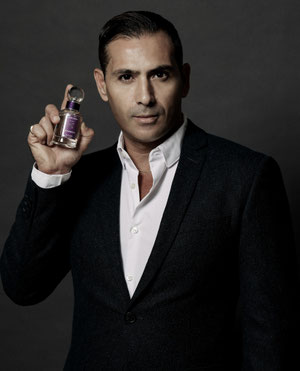
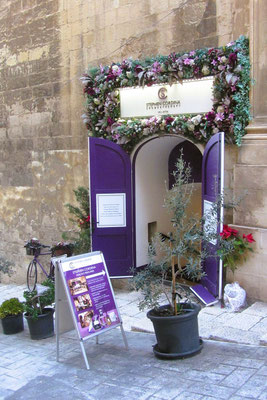
überraschende Wohlgerüche. Sie lotsten mich um zwei Straßenecken geradewegs zu Stephen Cordinas Parfümatelier und Ladengeschäft. So lernte ich nicht nur den ersten und bisher einzigen Parfümeur
Maltas kennen, sondern auch einen der wenigen europaweit, die sich hochprofessionell auf die Arbeit mit natürlichen Duftstoffen spezialisiert haben. Obwohl merklich vielbeschäftigt, nahm er sich
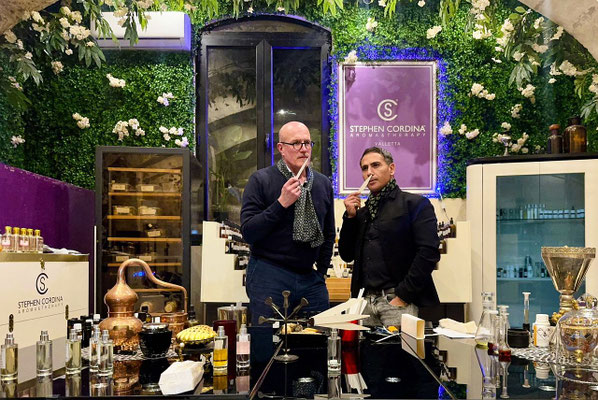
ein paar Tage nach meinem ersten Besuch Zeit und beantwortete südländisch entspannt meine Fragen. Zu meiner Überraschung begann Stephen unsere Plauderei auf Deutsch, das er sich in seinem Studium
der Parfümerie in der Schweiz angeeignet hat. Das Interview führten wir dann auf Englisch.
---
Also, Stephen, wie sind Sie der Parfümeur von Malta geworden?
Nun, anfangs hätte ich nie gedacht, dass ich einmal Parfümeur werden würde! Am Anfang war da ein großes Fragezeichen. Mein Vater sagte: „Das ist etwas für die Kinder von Ärzten
und Professoren, was wir nicht sind. Also, nein.“ Und zweitens war es wahrscheinlich ein bisschen zu weiblich. Also wurde das Thema nie wieder aufgegriffen und ich behielt es als Geheimnis für
mich. Denn es gab keinen Parfümeur in Malta, zu dem ich gehen und sagen konnte: „Könnten Sie mich anleiten?“ Wir haben hier keine Leute, die einen dabei unterstützen, Parfümeur zu werden. Denn in
Malta kennt sich niemand damit aus. Das Internet war nicht so wie heute, wir reden hier von 1997, 1998, wissen Sie. Die Schule war auch nicht hilfreich. Die Leute sagten immer: Ein Chemiker wird
Parfümeur. Oder ein Apotheker.
Und ich habe immer gedacht: Ist das so? So ein Quatsch! Als ich dann herausgefunden habe, was man dazu braucht und was nicht, habe ich mir gesagt: Lass mich Aromatherapeut werden. Das ist die
Grundlage der Parfümerie. Ich werde mich hoffentlich als Parfümeur qualifizieren, aber ich werde es vor allen Leuten um mich herum geheim halten. Okay, ich bin tatsächlich die ganze Zeit nach
London und in die Schweiz und nach Frankreich gereist, ohne jemandem zu sagen, dass ich eigentlich Parfümerie studiere! Letztendlich ist also mein Herz der Nase gefolgt.
Was für eine Geschichte! Und Sie haben es bis zur Mitgliedschaft in der „Société Française des Parfumeurs“ gebracht...
... was für mich als Parfümeur aus einem kleinen Inselstaat am Rande Europas auch eine Herausforderung war. Aber sie sagten: „Wir würden Sie gerne haben. Sie sind ein
interessanter Parfümeur." Wegen meiner Spezialität: Naturstoffe. Sie gaben mir das Bewerbungsformular und ich sah, dass ich einen Fürsprecher brauchte, also einen anderen Parfümeur. Ich war schon
20 Jahre in der Branche, aber meine Antwort war: Ich kenne keinen Parfümeur. Ich kannte sie natürlich vom Sehen, wenn ich auf Messen war, wo Parfümeure ihr Material kaufen, ja, und ich bewunderte
sie. Aber ich konnte nie zu ihnen gehen und sagen: „Hallo, ich bin Steven, kannst du mein Freund werden? Und kannst du mich vorschlagen, Mitglied zu werden?“ Das würde man natürlich nicht machen.
Also sagte der Vorsitzende: „Mein Gott, ich kenne Ihre Arbeit. Ich werde Ihr Fürsprecher sein." Der Vorsitzende! Okay. Ich war wie... wow!
Würden Sie sagen, dass Sie einen einzigartigen Stil entwickelt haben, weil Sie nicht viel Kontakt mit der Parfümeurs-Szene hatten?
In gewisser Weise vielleicht. Was andererseits nicht sehr gut ist, wenn man keinen Austausch hat. Das ist wie im Journalismus. Journalisten unterstützen sich gegenseitig. Sie
teilen nicht genau mit, woran sie arbeiten. Aber am Ende des Tages unterstützen sie sich trotzdem gegenseitig. Und sie beschützen sich gegenseitig. Bei uns Parfümeuren ist es genauso: "Oh mein
Gott, woher bekommst du diese Zutat? Komm schon, sag es mir!"
Ja, Malta scheint mir eher ein kleines Universum für sich zu sein.
Was mich manchmal frustriert. Denn in Malta gibt es nur sehr wenig Wissen über Parfüm und darüber, was ein Parfümeur macht. Es gibt Leute, die kommen hierher und wollen einen maßgeschneiderten
Raumduft für ihr Hotel. Und ich frage sie: Wann soll er herauskommen? Und ich denke: in vier oder sechs Monaten. Und sie sagen: nächste Woche, Mittwoch. Und ich sage: Was? Nein, das kann ich
nicht machen. Das ist unmöglich, wissen Sie. Ich muss zu Ihnen kommen und Ihre Räumlichkeiten, Ihre Möbel studieren. Wie oft sind die Türen offen, wann sind sie geschlossen? Denn ich muss sehen,
welche Gerüche von draußen hereinkommen. Und was ist, wenn es in der Anlage Feuchtigkeit gibt, die von unten nach oben dringt. Das muss ich überdecken. Da ist eine Menge zu berücksichtigen. Aber
sie denken einfach, ich gehe hinter meine Duftorgel, als würde ich hinter eine Bar gehen und einen Cocktail mixen. Und voilà.
Und dann nenne ich ihnen natürlich das Honorar. Und weil sie es nicht gewohnt sind, einen Parfümeur mit seiner Zeit, seinem Wissen, seiner Erfahrung und seinem Talent zu engagieren, denken sie,
ich sei verrückt. Ich sage ihnen: „Hören Sie, googeln Sie, wie viel ein Parfümeur für seine Zeit berechnet, um einen maßgeschneiderten Duft zu kreieren, was auch immer es ist. Dann werden Sie
diese Branche verstehen und wissen, dass ich nicht verrückt bin.“ Und daraufhin ändern sie ihre Einstellung. Wenn ich internationalen Marken mein Honorar nenne, sagen sie normalerweise ja. Und
ich liege bei weitem nicht in der Nähe des Honorars der Top-Ten-Parfümeure.
War es mit der Präsidentin von Malta genauso, als Sie die Raum- und Wäschedüfte für den Präsidentenpalast "San Anton" kreierten?
Es war mir eine Ehre, mit der Präsidentin von Malta zu arbeiten. Sie war so entspannt im Umgang mit mir. Sie bewunderte meine Arbeit und die Errungenschaften des Unternehmens und die Art und
Weise, wie ich gleichzeitig auf luxuriöse Art und Weise für Malta werbe. Sie ließ mir völlig freie Hand. Für mich war es ein wohltätiger Akt, und sie sorgte dafür, dass ich das bekam, was ich für
diesen Akt verdiente. Ich erinnere mich, dass es ein sehr schönes Highlight war, am San-Anton-Parfüm zu arbeiten. Also, ja, ich wünschte, viele Kunden wären so.
Mir ist aufgefallen, dass viele der Geschichten, die hinter Ihren Parfums stecken, weit in die Geschichte zurückreichen. Hat das mit der Tatsache zu tun, dass Sie Malteser sind, denn wenn
man auf die Straße geht, kann man die Geschichte kaum übersehen?
Ja, aber es gibt auch noch einen anderen Aspekt. Als ich im Ausland unterwegs war, besuchte ich Parfümvorlesungen auf Messen für die Inhaltsstoffe. Ich stellte fest, dass
Meisterparfümeure die Workshops über die Geschichte des Parfüms und die Inhaltsstoffe und ihre Verwendung leiteten. Und die Zuhörer saßen alle da und hörten gebannt zu. Aber was auch immer die
Dozenten sagten, es war nichts Neues für mich. Denn sie sprachen viel über den historischen Prozess, über alte Rezepte, was ich schon seit Jahren studiere und weiß. Und ich dachte: Moment mal, da
ist eine große Diskrepanz. Okay, ich bin ihnen bei den natürlichen Stoffen voraus, so wie sie mir bei den Aromachemikalien voraus sind. Also dachte ich mir, ich werde mehr in den Bereichen
arbeiten, in denen sie noch aufholen müssen. Und das ist das Spannende daran, Aromatherapie und Parfümerie zusammenzubringen: die Verwendung von Aromatherapie und alten Parfümtechniken - wie dem
Kyphi-Stil.
Kyphi-Stil? Was ist damit gemeint?
Parfums im Kyphi-Stil werden ohne Duftpyramide hergestellt. Der Pyramidenstil kam erst viel später im 19. Jahrhundert auf. Aber die Ägypter haben schon vor Christus Parfüms
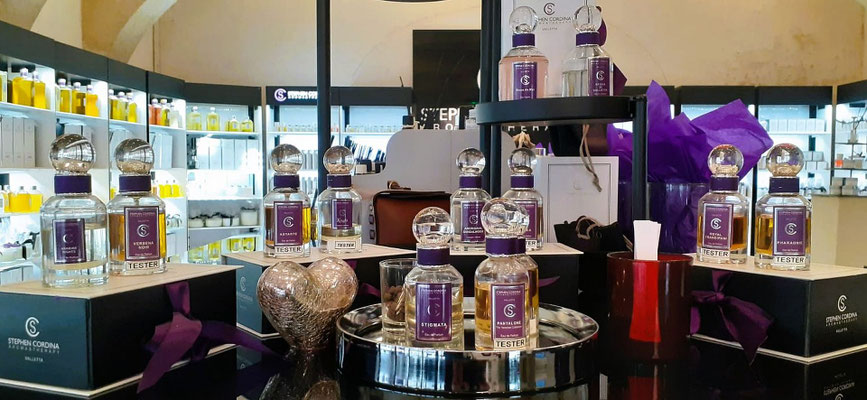
hergestellt, aber nicht mit einer Pyramidenstruktur. Ich verwende zum Beispiel Benzoe als Kopfnote, wissen Sie. Ich habe die Düfte „Osiris“ (das Auge des Cyrus), „Astarte“ und „Pharaonic“ ohne
Duftpyramide hergestellt. Ich habe auch historische Parfums rekonstruiert. Taputi war der Name der ersten weiblichen Parfümeurin, zumindest der ersten weiblichen Parfümeurin, die in den
Geschichtsbüchern erwähnt wird. Sie war eine Lady aus Mesopotamien und die persönliche Parfümeurin von Kleopatra. Und es ist mir gelungen, eines ihrer Parfüms zu rekonstruieren, das sie für
Kleopatra hergestellt hat. Ich habe es sogar „Taputi“ genannt. Ich kann es Sie später riechen lassen.
Oh, darauf bin ich sehr neugierig!
Und ich habe noch andere „Parfüms“ hergestellt, denn das Wort Parfüm kommt, wie Sie wissen, aus dem Lateinischen, perfumo. Bakhoor ist das Wort, das in der arabischen Welt
verwendet wird. Bahhar auf Maltesisch ist sehr ähnlich. Bahhar und Bakhoor, das gleiche Wort, nur ein anderer Dialekt, bedeutet „Reisen“. Denn Duft reist. Mein Weihrauch ist also eine sehr alte
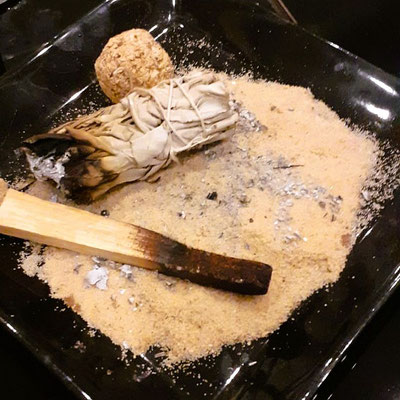
Formulierung, aber natürlich habe ich ihn auch an die heutigen Vorlieben angepasst – das war es, was Sie draußen auf der Straße gerochen haben, denn ich verbrenne ihn im Eingangsbereich. Das ist
„Kyphi Bakhoor“. Es ist sehr einzigartig, aber es ist das ursprüngliche "Parfüm".
Sie sagten, Sie sind Aromatherapeut und Parfümeur. Haben Sie bei der Kreation eines Parfums immer die therapeutische Wirkung im Blick?
Normalerweise habe ich immer das Ziel vor Augen, der therapeutische Aspekt spielt eine wichtige Rolle. Ich möchte erreichen, dass die Person, die ein Parfüm benutzt, sich gut
fühlt. Ja, okay, wenn man gut riecht, dann fühlt man sich schon gut. Aber ätherische Öle sind lebendige Inhaltsstoffe, sind Wirkstoffe. Synthetische Aromen sind keine aktiven Inhaltsstoffe. Sie
verströmen zwar einen Duft, aber sie haben keine aktive oder therapeutische Wirkung. Ich spiele also mit beidem. Wenn möglich, arbeite ich nur mit natürlichen Stoffen. Aber manchmal sind
bestimmte Stoffe verboten. Ich schaue dann, welche Ersatzstoffe ich finden kann, aber wenn ich keine finde, muss ich damit umgehen. Aber ja, manchmal widme ich mich einfach der Kreativität und
vergesse ein wenig die therapeutische Wirkung, nur um etwas zu riechen, um es zu genießen, wissen Sie. Aber das ist nichts, was ich unter meiner Marke verkaufen würde. Denn ich muss unter dem
Dach der Aromatherapie von Stephen Cordina bleiben, verstehen Sie?
Aber letzten Endes bin ich ein Schöpfer und ich liebe es, ständig etwas zu erschaffen. Ohne Kreativität ist es, als ob ich nicht genug Luft zum Atmen hätte. Es liegt also in unserer Natur,
ständig zu erschaffen. Manchmal bleibt das Ziel in weiter Ferne und ich entdecke auf dem Weg andere Dinge. Dann lege ich sie beiseite und komme später darauf zurück. Also, wie ich immer sage:
„Even a master was once a disaster as well.“
Gibt es bei der Arbeit mit natürlichen Ölen mehr Desaster, mehr Katastrophen als mit synthetischen Aromen?
Oh, glauben Sie mir, ich frage mich das oft: Warum habe ich mich nicht für synthetische Stoffe entschieden? Natürliche Öle sind so dramatisch! Wissen Sie, jede Charge, jedes Fass
ätherischen Öls riecht anders. Sie sind so komplex, und die Arbeit mit natürlichen Ölen dauert viel länger als die mit synthetischen. Denn wenn man synthetische Stoffe mischt, ist das Ergebnis
bereits fertig. Das bleibt dann auch so. Bei natürlichen Ölen kann sich der Duft acht Monate lang verändern. Manchmal hat man sieben Stunden oder sieben Monate lang einen tollen Duft, und im
achten Monat kann er sich wieder ändern und das Ziel ist dahin. Und manchmal wird es sehr trübe. Aber ich hasse es, es zu filtern. Wenn man es filtert, um es zu klären, geht das Beste des
ätherischen Öls verloren. Das ist die Komplexität der natürlichen Essenzen. Es ist sogar schwierig, Lehrer zu finden, die sich auf natürliche Parfümerie spezialisiert haben. Die besten
Naturparfümeure auf der ganzen Welt kann man an einer Hand abzählen.
Wie sieht denn ein typischer Tag für Sie als Parfümeur aus?
(lacht) Oh, er ist nicht gerade so, wie ich ihn mir wünsche.
Zu viele Interviews?
Nein, nein, keine Sorge! Ich bin einfach nachts sehr kreativ. Ich bin also überhaupt kein Frühaufsteher. Von allen Mitarbeitern bin ich der Letzte, der mit der Arbeit beginnt,
aber auch der Letzte, der sie verlässt. Ich komme morgens hierher, um mit meinem Team die ganze logistische Arbeit zu erledigen, E-Mails zu beantworten und das Geschäft zu überwachen. Wenn etwas
furchtbar schief läuft, springe ich ein, um eine bevorstehende Katastrophe zu verhindern. Ich versuche, die Fragen meiner Mitarbeiter zu beantworten, ohne Fehler zu machen, denn ich bin
verantwortlich. Was auch immer ich sage, es wird endgültig sein. Und du wartest auf 18.00 Uhr, wenn alle gehen, um deinen Tag zu beginnen, ohne deine Arbeit zu machen. Auch wenn es kein Parfüm
ist, kann es eine Verpackung sein, denn ich entwerfe auch meine eigene Verpackung. Oder ich überlege, welche Flakons ich verwenden werde. Und ich entscheide über das Marketing. Dann gehe ich ins
Fitnessstudio, trainiere eine Stunde lang - 15 Minuten davon sind Meditation - und dann gehe ich zum Abendessen. Um 22.00 Uhr fange ich wieder an zu arbeiten, bis etwa ein Uhr nachts. Gebt mir
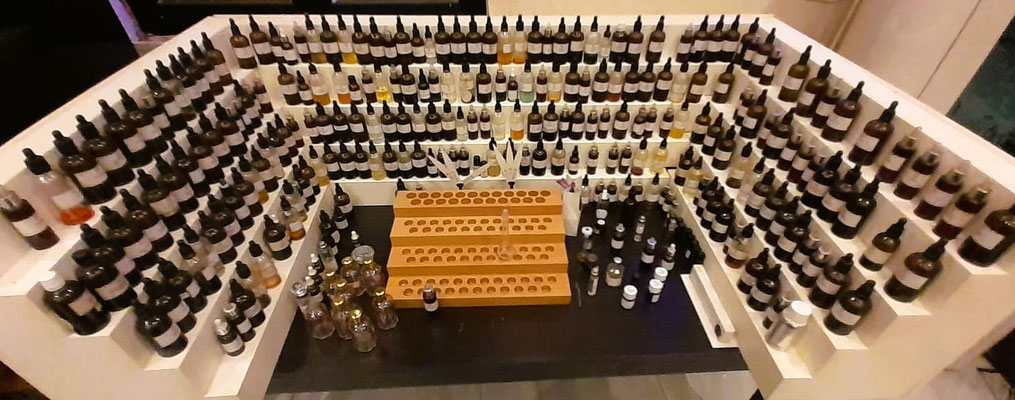
die Messbecher, die Waage und die ganze Duftbibliothek und ich bin ein glücklicher Zauberer. Klassische Musik in voller Lautstärke und ich bin in meinem eigenen Film.
Wow! Gab es weitere glückliche Momente für Sie als Parfümeur?
Nun, die Wahrheit wäre, wenn das Flugzeug abhebt, wenn ich nach vielen Jahren in den Urlaub fliege. Das ist mein Lieblingsmoment (lacht). Weil ich mich danach sehne. Aber
auch wenn ich im Urlaub bin, gibt es immer Arbeit. Wenn ich zum Beispiel nach Gran Canaria fliege, um Aloe vera und Olivenöl in großen Mengen zu kaufen und nach Malta zu schicken, muss ich sehen,
wo es herkommt, ich muss die Plantage sehen. Wenn ich in Spanien bin und dort eine Plantage für ein Öl sehe, das ich beziehe, muss ich sie besuchen. Und wenn ich sie nicht besuche, ist der Urlaub
nicht vollständig. Denn das ist keine Arbeit für mich. Parfümeur ist kein Beruf. Für mich ist es ein Lebensstil. Arbeit bedeutet für mich, im Büro zu sitzen und Fragen des Finanzamts zu
beantworten.
Und die glücklichsten Momente? Ich sollte sagen, als ich König Charles von England in Malta traf. Das war sehr, sehr bereichernd, aber nein, es war nicht der glücklichste Moment. Manchmal ist der
glücklichste Moment der, in dem sich ein Mensch Zeit nimmt. Wissen Sie, ich frage mich immer noch: Was ist das Besondere an mir? Was ist das Besondere an meiner Arbeit? Denn ich lebe sie ja die
ganze Zeit. Mein glücklichster Moment ist also, wenn sich ein Kunde die Zeit nimmt, eine Bewertung zu schreiben, eine ehrliche Bewertung. Verstehen Sie? Oder ich schaue mir die Bestellungen an
und sehe eine Person aus den USA, die das gleiche Duschgel zum zweiten oder dritten Mal bestellt hat. Und ich sage mir, Herr im Himmel, was ich tue, muss gut sein. Wissen Sie, was ich meine? Es
gibt so viele tolle Marken mit so vielen tollen Produkten. Aber die Leute kommen immer wieder von der anderen Seite der Welt auf mein Produkt zurück! Und die Versandkosten sind zwei- oder dreimal
so hoch wie das Produkt, aber das ist ihnen egal, weil sie das Produkt haben wollen. Es geht nicht um die Anzahl, die Menge, verstehen Sie? Es geht um die Wertschätzung des Kunden.
Es klingt, als wären Sie glücklich, der „Parfümeur von Malta“ zu sein. Haben Sie noch weitere Pläne für die Zukunft?
Ja, mein Traum ist es, ein Geschäft außerhalb Maltas zu eröffnen. Ich habe die Konzession bereits in die Tschechische Republik und die Slowakei verkauft. Und es läuft sehr gut.
Aber ich möchte ein Geschäft außerhalb Maltas. Und ich möchte es mit einem Geschäftspartner machen. Denn schließlich muss ich meine Hände und Augen bei der Produktion belassen. Schließlich bin
ich nicht nur der Parfümeur, sondern auch der Chefkoch. Der Chef muss in der Küche stehen!
Oh, es wäre toll, Sie bei uns in Deutschland zu haben! Aber zunächst einmal vielen Dank für Ihre Zeit.
---
Schönerweise war sie noch gar nicht ganz vorbei, meine Zeit. Denn Stephen Cordina ließ mich tatsächlich noch am im Interview erwähnten Duft Cleopatras „Taputi“ schnuppern. Sofort wurde mir klar,
wieso Cleopatra als verführerischste Frau der Antike galt. Dieses tiefe warme Parfum war schon auf dem Duftstreifen zum Hineinlegen schön…
Zum Schluss möchte ich noch einen Link teilen. Er führt zu einem Interview, das die „TIMES of MALTA“ mit Stephen Cordina führte. Der Weg vom Sohn eines Polizisten auf der kleinen ländlichen Insel
Gozo zum ersten Parfümeur Maltas war wahrlich ebenso steinig wie das ganze Archipel: https://timesofmalta.com/article/i-know-instinctively-what-ingredients-will-work.705384
Zur Website von Stephen Cordina geht es hier: https://stephencordina.com
---
Das Interview wurde auf Englisch geführt und von mir, Ferdinand Sturm, übersetzt.
Photos:
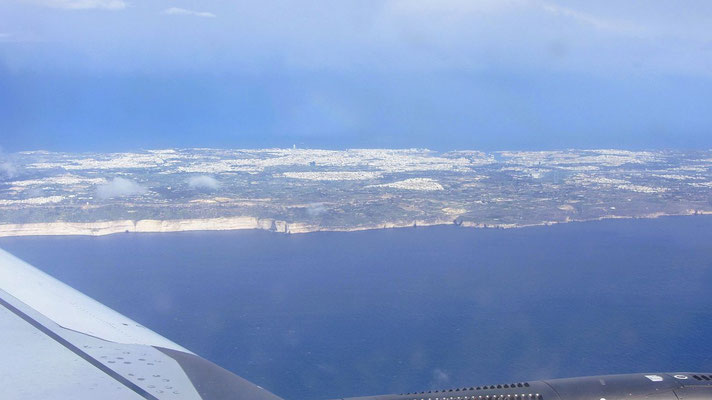
1 / erster Anblick von Malta mit dem Ballungsraum rund um Valetta
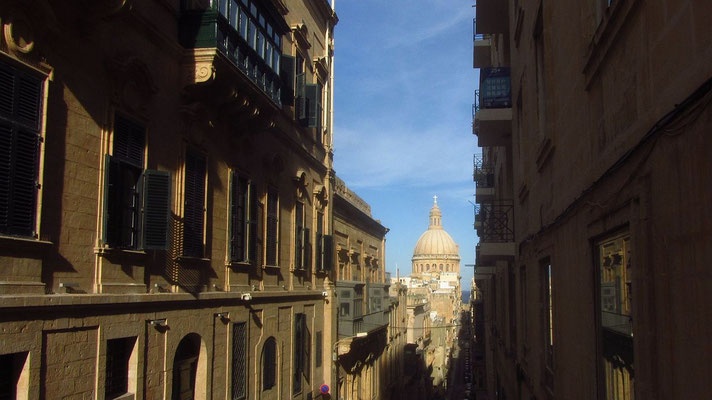
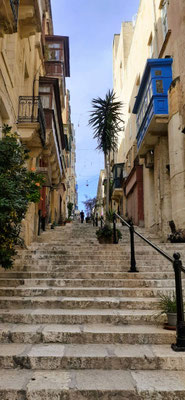
2+3 / Valetta
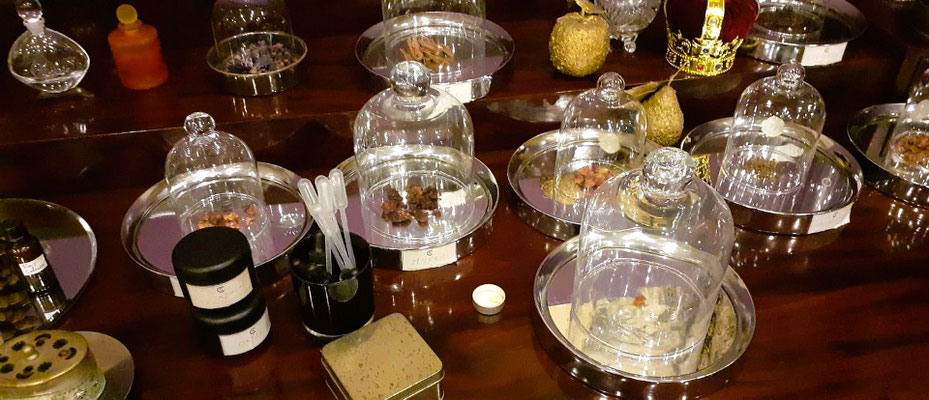
4+5 / Stephen Cordinas Shop
6-9 / Stephen Cordinas Atelier
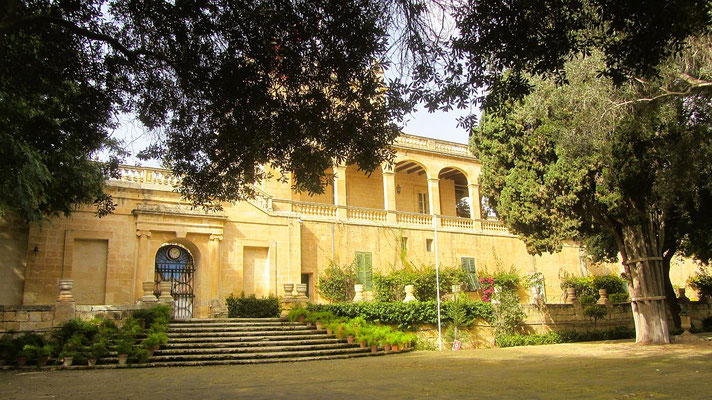
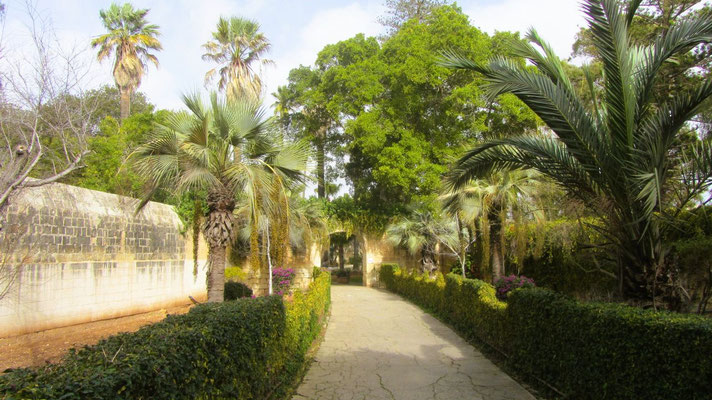
10+11 / San Anton Palast und Garten (Amtssitz der Präsidentin von Malta)
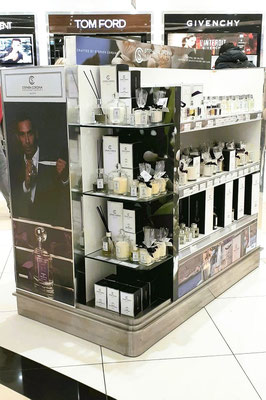
12 / Duty-Free-Bereich im Internationalen Flughafen Malta
‘The Perfumer Of Malta‘ - a headline that sounds like the title of a 700-page historical novel. And indeed: the southernmost European state is home to the highest density of
historic sites in the world, with 2,000 cultural monuments in an area just the size of the German city of Bremen. To top it all off, the entire capital of Valletta is a UNESCO World Heritage
Site! Strolling through the narrow, steep streets at the end of January in sunshine and 18° C, it wasn't just my eyes that were amazed, my nose also smelled surprising fragrances. They directed
me around two street corners straight to Stephen Cordina's perfume atelier and store. Not only did I get to know Malta's first and so far only perfumer, but also one of the few in Europe who
specializes in working with natural fragrances in a highly professional manner. Although noticeably busy, he took time a few days after my first visit and answered my questions in a relaxed
Mediterranean manner. To my surprise, Stephen began our chat in German, which he had acquired during his perfumery studies in Switzerland. We then continued the interview in English.
---
So, Stephen, how did you become the perfumer of Malta?
Well, at first, I never thought I would become a perfumer all! At first it was a big question mark. My father said, ‘This is something for the children of doctors and professors,
which we are not. So, no.’ And secondly, it's probably a bit feminine. So the subject was never taken up again and I kept it as a secret in my own heart. Because there was no perfumer in Malta
that I could go and talk to and say, ‘Could you guide me?’ We don't have the people who push you to become a perfumer. Because nobody knows in Malta. The internet wasn't like it is today, we're
talking about 1997, 1998, you know. School wasn't helpful either. People used to say: a chemist becomes a perfumer. Or a pharmacist.
And I always thought: Is that so? Come on! Then when I found out what it takes and what it doesn’t take, I just said to myself: let me become an aromatherapist. That's the basis of perfumery.
I'll hopefully qualify as a perfumer, but I'll keep it a secret from everyone around me. Okay, I've actually travelled to London and Switzerland and France all the time without telling anyone
that I'm actually studying perfumery! So in the end, my heart followed the nose.
What a story! And you made it all the way to membership of the ‘Société Française des Parfumeurs‘...
... which was also a challenge for me as a perfumer from a small island state on the edge of Europe. But they said, we'd love to have you. You're an interesting perfumer. Because
of my speciality: Naturals. And they gave me the application sheet and I saw you need a seconder, which has to be another perfumer. I was already in the industry 20 years but my reply was: I
don't know any perfumer. I knew them by sight, of course, when I went to expos, where perfumers buy the materials, yes, and I admired them. But I could never go to them and say, hi, I'm Steven,
can you become a friend? And can you suggest me to become a member? You're not going to say that of course. So the chairman said: ‘my God, I know your work. I will be your seconder.‘ The
chairman! Okay. I was like... wow!
Would you say that you have developed a unique style because you haven't had much contact with the perfume scene?
Somehow, perhaps. Which, in a way, is not very good if you don't have an exchange. It's like in journalism. Journalists support each other. They don't share exactly what they're
working on. But at the end of the day, they still support each other. And they protect each other. We perfumers are the same: ‘Oh my God, where do you manage to obtain this ingredience? Come on,
tell me!’
Yes, Malta seems to me to be more of a small universe of its own.
Which sometimes annoys me. Because there is very little knowledge about perfume and what a perfumer does in Malta. There are people who come here and want a customised fragrance
for their hotel. And I ask them: When is the launch? And I think in four or six months. And they say: next week, Wednesday. And I say: What? No, I can't do that. That's impossible, you know. I
have to come and study your enviroment, your furniture. How often are the doors open, when are they closed? Because I need to see what smells are coming from outside. And what if there is
dampness in the property, downstairs, reaching up. I need to mask this. It's a lot. But they just think like I go there behind my perfume organ, like I go behind a bar and shake a cocktail. And
voila.
And then, of course, I tell them the fee. And because they're not used to hiring a perfumer with his time, knowledge, experience and talent they think I'm cuckoo. I tell them, ‘Listen, okay,
google how much a perfumer charges for their time to create you a bespoke fragrance, whatever that is. Then you'll understand this industry and know that I'm not cuckoo.’ And after that, they
change their attitude. When I tell international brands my fee, they usually say yes. And I'm nowhere near the fee of the top ten master perfumers.
Was it the same with the President of Malta when you created the room and linen fragrances for the San Anton Presidential Palace?
It was an honour to work with the President of Malta. She was so relaxed with me. She admired my work and the achievements of the company and the way I promote Malta at the same
time in a luxurious way. So she left me free to do what I wanted. It was a philanthropic act for me, and then she made sure that I got what I deserved for that act. I remember it was a very nice
highlight to work on the San Anton Parfum. So, yes, I wish many customers were like that.
I've noticed that many of the stories behind your perfumes go back a long way in history. Does this have to do with the fact that you are Maltese, because when you go out on the street,
you can't ignore history?
Well, yes, but there is a plus as well. During my times travelling abroad I went to perfume lectures at expos for the ingredients. I discovered that master perfumers were leading
the workshops on the history of perfume and the ingredients and their use. And the audience all sat and listened in amazement. But whatever the lecturers said, it was nothing new to me. Because
they talked a lot about the historical process, about old recipes, which for me is what I've been studying and knowing for years. And I thought, wait a minute, there's a big gap. Okay, I'm ahead
of them in the naturals, just like they're ahead of me in the aroma chemicals. So I thought, I'm going to work more on the areas where they're still catching up to me. And that's the good thing
about bringing aromatherapy and perfumery together: by using aromatherapy and ancient perfumery techniques, like the Kyphi style.
Kyphi style? What does that mean?
Kyphi style perfumes are created without an olfactive pyramid. The pyramid style emerged much later in the 19th century. But the Egyptians were already making perfumes before
Christ, but not in with a pyramid structure. For example I use benzoin as a top note, you know. I made the fragrances ‘Osiris’, the Eye of Cyrus, ‘Astarte‘ and ‘Pharaonic‘ without an olfactive
pyramid. I have also reconstructed historical perfumes. Taputi was the name of the first female perfumer, at least the first female perfumer in the books of history. She was a lady from
Mesopotamia and Cleopatra's personal perfumer. And I managed to reconstruct one of her perfumes that she made for Cleopatra. I even called it ‘Taputi‘. I can let you smell it later.
Oh, I am very curious!
And I made other perfumes, because the word perfume, as you know, is Latin, perfumo. Bakhoor is what is used in the Arab world. Bahhar in Maltese is very similar. Bahhar and
Bakhoor, the same word, just a different dialect, means travel. Because fragrance travels. So, my incense is formulated very old, but of course I have also adapted it to the preferences of today
- what you smelled outside on the streets, because I burn it in the entrance. This is ‘Kyphi Bakhoor‘. It's very unique, but this is the original perfume.
You said you are an aromatherapist and perfumer. Do you always have the therapeutic effect in mind when creating a perfume?
Usually, I always have the target in mind, the therapeutic aspect plays an important role. I want to make sure that the person using a perfume feels good. Yes, okay, if you smell
good, then you already feel good. But essential oils are living ingredients, are active ingredients. Synthetic aromas are not active ingredients. They do give off a scent, but they have no active
or therapeutic effect. So I play with both. Where possible, I work only with naturals. But sometimes certain substances are banned. I see what substitutes I can find, but if I can't find any, I
have to work with it. But yes, sometimes I just retreat to creativity and forget a bit about the therapeutic effect, just to smell it, to enjoy it, you know. But it's not something that I would
sell under my brand. Because I need to remain under the umbrella of aromatherapy by Stephen Cordina, you know.
But at the end of the day, I am a creator and I love to create all the time. Without creating it's as if I don't have enough air to breathe. So it's in our nature to constantly create. Sometimes
the target remains a long way off and you discover other things. Then you put them aside and come back to them later. So, as I always say: even a master was once a disaster as well.
Are there more disasters when working with natural oils than with synthetic aromas?
Oh, believe me, many times I ask myself: Why did I not choose synthetics? Naturals are so dramatic! You know, every batch, every barrel of essential oil doesn't smell the same.
They're so complex and to work with naturals takes much longer time than with synthetics because once you mix synthetics it's already final. That's how it's gonna stay. With naturals you have
eight months of changing smell. Sometimes you have a great smell for seven hours or for seven months and on the eighth month it can just change again and the target is gone. And sometimes it gets
very blurry. But I hate filtering it. If you filter it to make it clear, the best of the essential oil is lost. That's the complexity of naturals. It's even difficult to find teachers who
specialise in natural perfumery. You count top natural perfumers on one hand all over the world.
So, what does a typical day look like for you as a perfumer?
(laughs) Oh, it's not exactly how I want it.
Too many interviews?
No, no, don’t worry! I'm just very creative at night. So I'm not an early bird at all. Of all the staff I'm the last to start work but also the last to leave. So I come here in
the morning to do all the logic work with my team, answer emails and monitor the business. If something goes terribly wrong, I jump in to prevent an upcoming disaster. I try to answer my
employees' questions without making mistakes, because I'm responsible. Whatever you say, it will be final. And you wait for six o'clock when everyone leaves to start your day without doing your
job. Even if it's not perfume, it can be a packaging, because I even design my own packaging. Or I decide which bottles I'm going to use. And I even decide on the marketing. Then I go to the gym,
work out for an hour, 15 minutes of that is meditation, and then I go to dinner. At 10 o'clock I start working again, until about one o'clock in the morning. Give me the beakers, give me the
scales and the whole fragrance library and I'm a happy wizard. Classical music at full volume and I'm in my own film.
Wow! Have there been any other happy moments for you as a perfumer?
Well, the truth would be when the plane takes off when I go on holiday after many years. That's my favourite one (laughs). Because I crave it. But even when I'm on
holiday, there's always work. For example, when I go to Gran Canaria to buy Aloe vera and olive oil in large volumes and send it to Malta, I have to go and see where it comes from, to see the
plantation. If I'm in Spain and there's a plantation of any oil I buy from, I have to go and see it. And if I don't visit it, the holiday is not complete. Because that's not work for me. Perfumer
is not a profession. For me, it's a lifestyle. And work for me means sitting in the office and answering questions to the tax office.
And the happiest moments? I should say when I met King Charles in Malta. That was very, very rewarding, but no, it wasn't the happiest moment. Sometimes the happiest moment is when a person takes
their time. You know, I still ask myself: What is special about me? What is special about my work? Because I live it all the time. So, my happiest moment is when a customer takes the time to
write a review, a very genuine review. Do you understand? Or I look at the records and see a person from the US who has ordered the same shower gel for the second or third time. And I say to
myself, holy Christ, I'm doing a good thing. You know what I mean? There are so many great brands out there with so many great products. But they keep coming back to my product from the other
side of the world! And the shipping costs are two or three times as much as the product, but they don't care because they want the product. It's not about the number, the figure, you know? It's
about the appreciation of the customer.
It sounds like you are happy to be ‘the perfumer of Malta’. So, do you have further plans for the future?
Yes, my dream is to open a shop outside Malta. I have already sold the franchise to the Czech Republic and Slovakia. And it's going very well. But I want a shop outside Malta. And
I want to do it with a business partner. Because at the end of the day, I have to keep my hands and eyes on the production. After all, I'm not just the perfumer, I'm also the chef. The chef has
to be in the kitchen!
Oh, it would be great to have you with us in Germany! But first of all, thank you very much for your time
---
Fortunately, my time wasn't quite over yet. Because Stephen Cordina actually let me smell Cleopatra's ‘Taputi’ fragrance mentioned in the interview. I immediately realised why Cleopatra was
considered the most seductive woman of the ancient world. This deep, warm perfume was incredibly beautiful even on the fragrance strip...
Finally, I would like to share a link. It leads to an interview that the ‘TIMES of MALTA’ did with Stephen Cordina. The way from the son of a policeman on the small rural island of Gozo to
Malta's first perfumer was truly as stony as the entire archipelago: https://timesofmalta.com/article/i-know-instinctively-what-ingredients-will-work.705384
You can find Stephen Cordina's website here: https://stephencordina.com
---
Photos (look above):
1 / first view of Malta with the conurbation around Valetta
2+3 / Valetta
4+5 / Stephen Coordinas shop
6-9 / Stephen Coordinas studio
10+11 / San Anton Palace and Gardens (official residence of the President of Malta)
12 / Duty-free area at Malta International Airport
Kommentar schreiben
Barry w (Samstag, 15 März 2025 17:22)
A brilliant interview, so very interesting. Thank you for the English version too.